Cluj & Transylvania
Welcome to Cluj-Napoca, the unofficial capital of Transylvania and a very easy city to enjoy around a wedding weekend. May is one of the best months to visit: the city is green, walkable, and lively without peak-summer heat.
The Old Town
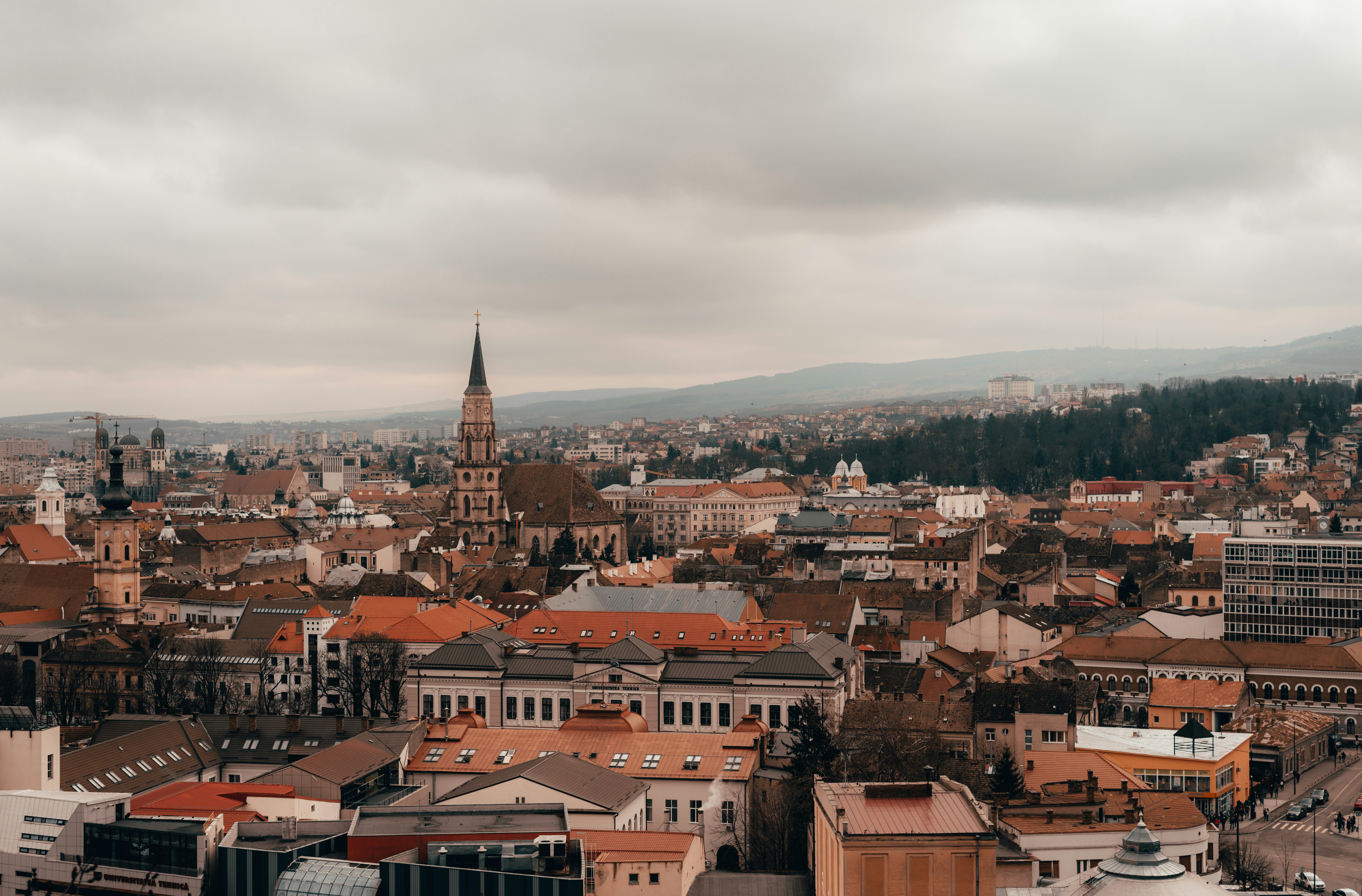 The historic center of Cluj-Napoca
Piața Unirii
Cluj’s central square and the best starting point for exploring.
- St. Michael’s Church (iconic Gothic landmark)
- Bánffy Palace (baroque palace; the National Art Museum is here)
- Café terraces for casual meetups with other guests
“Strada” walking loop
A simple way to get your bearings: Union Square → Eroilor Boulevard → Avram Iancu Square → back toward the old town
You’ll pass major civic buildings, broad pedestrian areas, and plenty of places to stop for coffee or dessert.
Parks & views
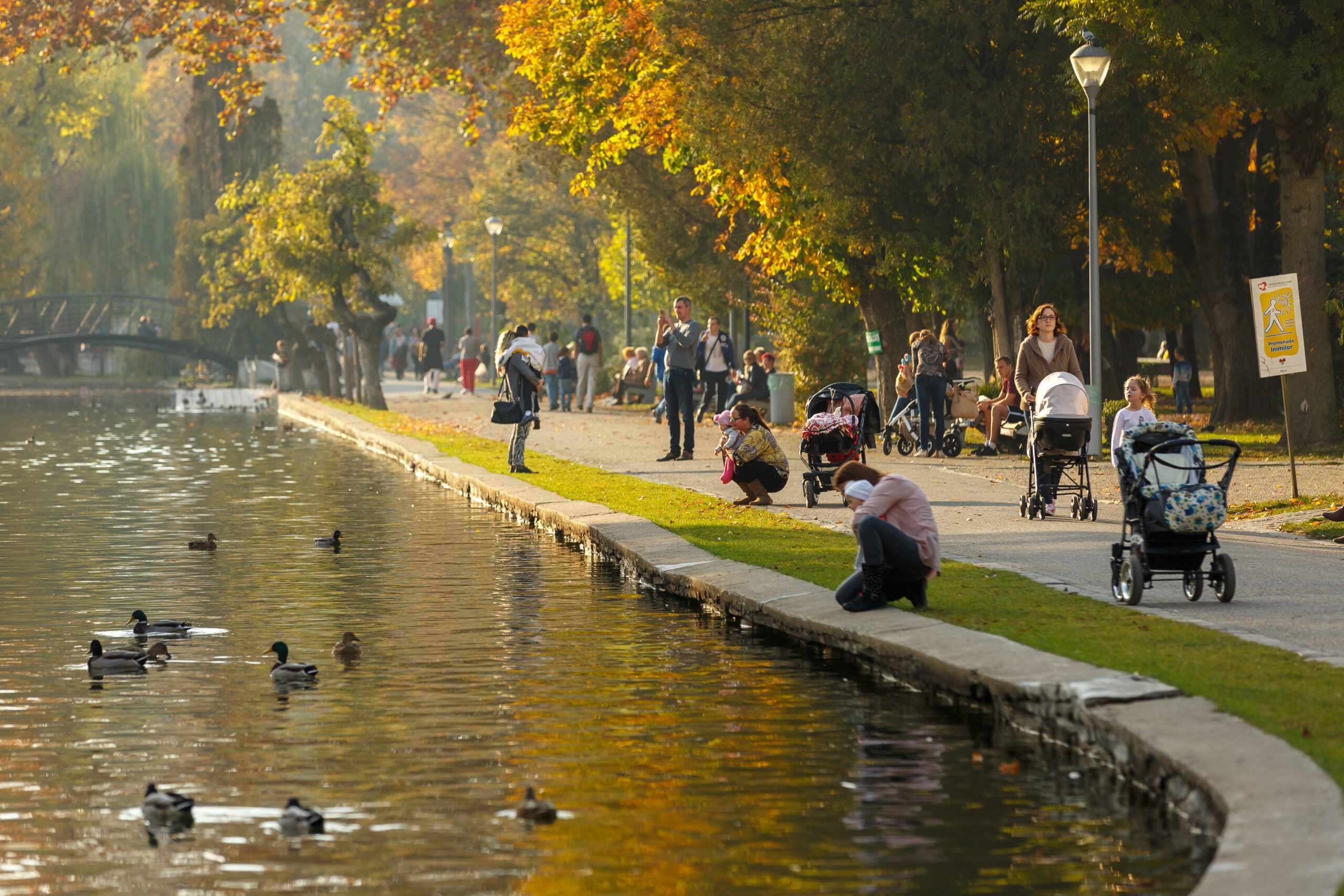 Beautiful green spaces throughout the city
Central Park
A relaxed, flat walk near the center.
Cetățuia Hill (aka Belvedere)
An amazing viewpoint over the city—especially beautiful at sunset. It’s a fairly steep walk up the hill, so prefer a quick car trip to the top and then walking around.
Alexandru Borza Botanical Garden
May is prime time for spring blooms and greenhouse visits. It’s a calm, scenic option when you want something quieter than the city center.
Food & Drink That Works Well for Groups
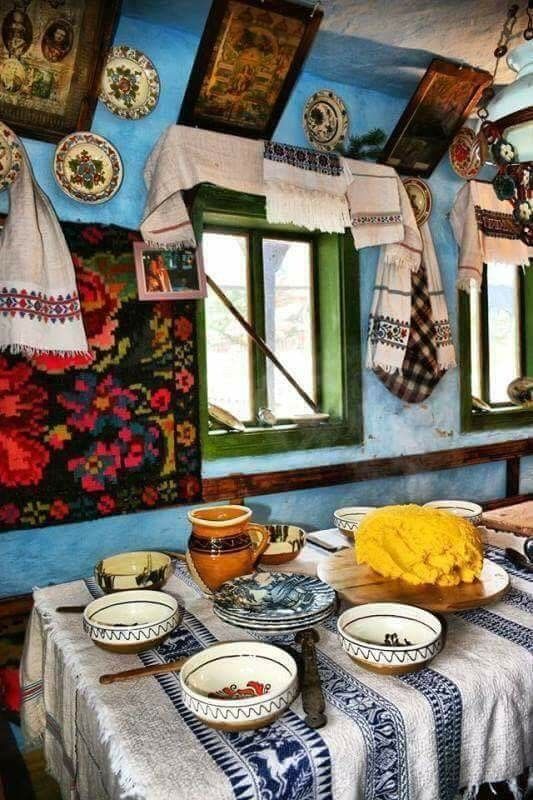
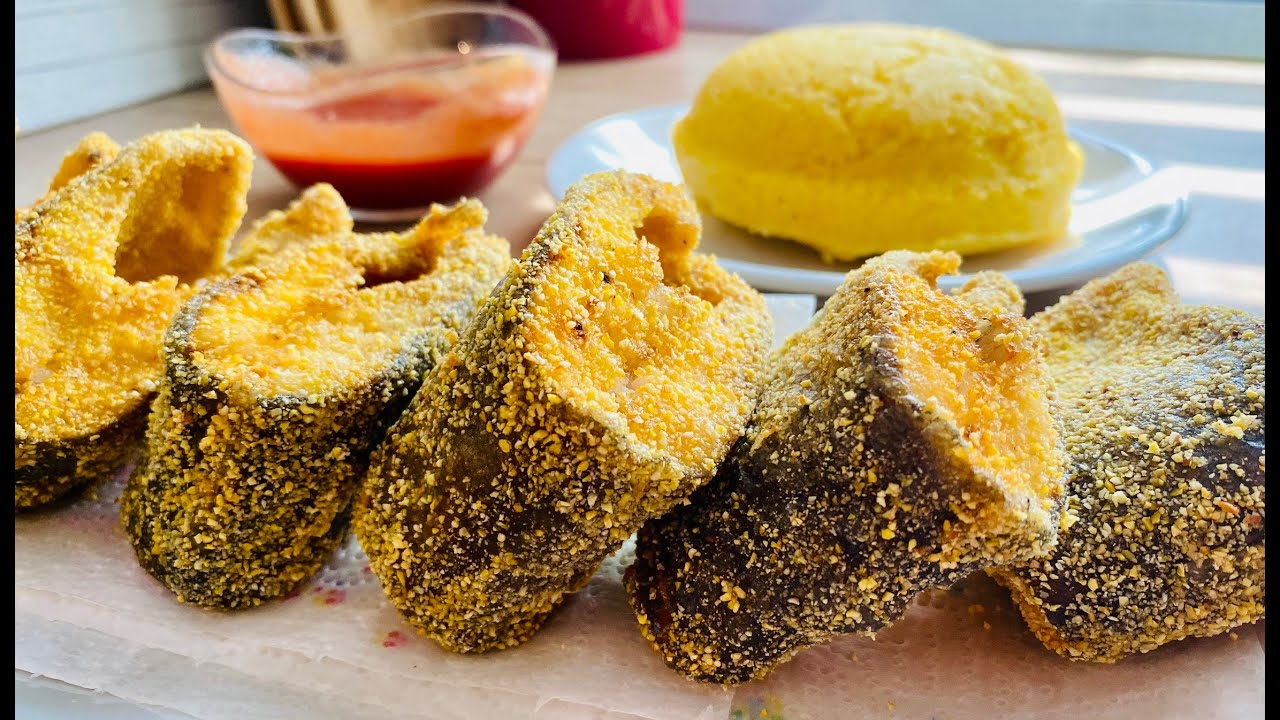
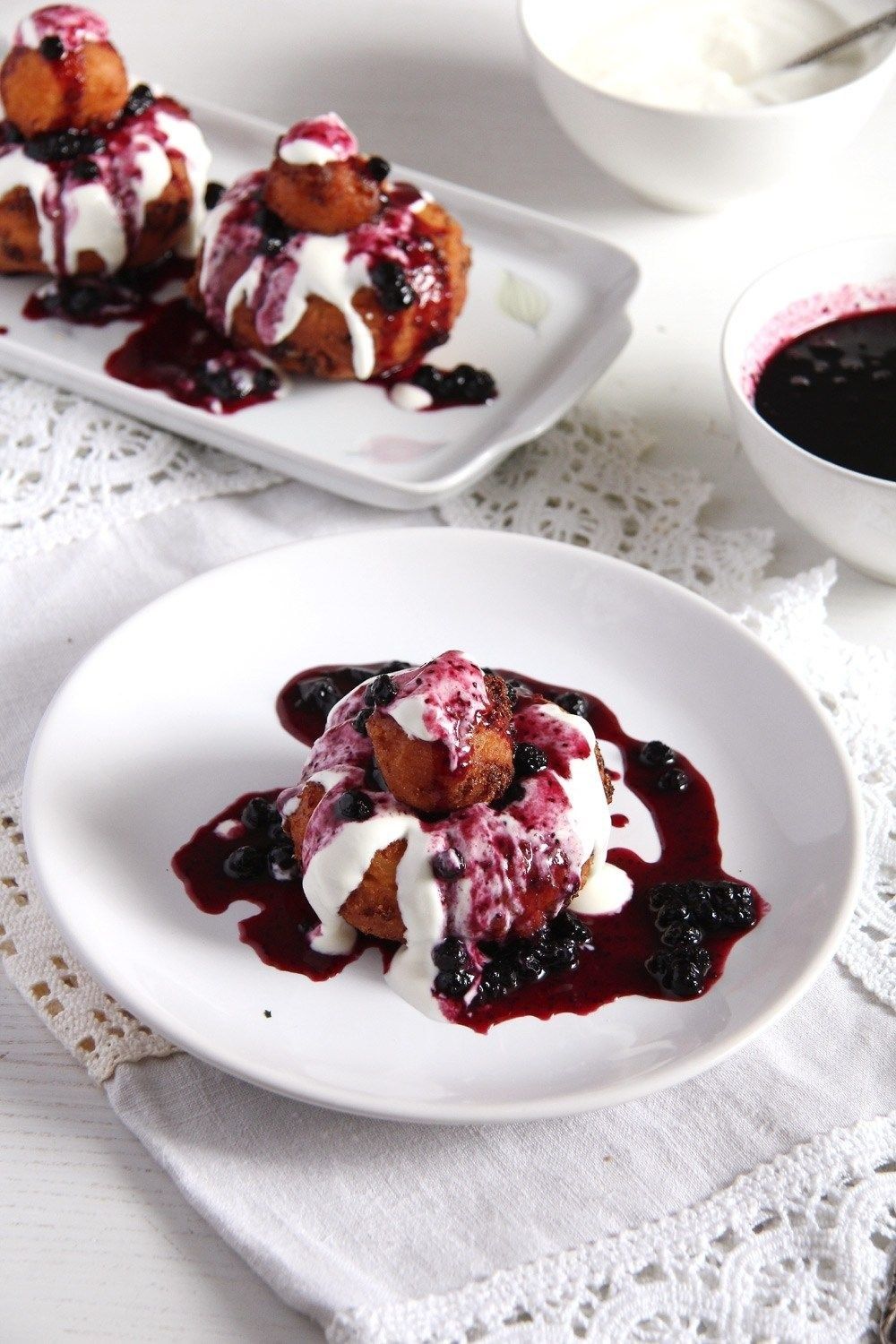
Authentic Transylvanian / Romanian dishes
What to try (Transylvanian / Romanian classics)
- Sarmale — Cabbage rolls stuffed with seasoned meat and rice, slow-cooked and typically served with mămăligă (polenta) and sour cream. A staple at celebrations and family gatherings.
- Mămăligă — Traditional Romanian polenta made from yellow cornmeal, served as a side dish or base for many meals. Often topped with cheese, sour cream, or served alongside stews and meats.
- Ciorbă — Traditional sour soups made with vegetables, meat, or tripe, finished with fermented wheat bran or lemon juice for that distinctive tangy flavor. Very comforting and popular across Romania.
- Fasole frecată — Mashed bean spread, typically made with white beans, onions, and oil. Often served as a side dish or spread, sometimes topped with pickles or onions.
- Slănină — Cured pork fatback, often smoked and served thinly sliced with bread, onions, and sometimes pickles. A traditional Romanian delicacy, especially popular in rural areas.
- Varză a la Cluj — Layers of cabbage, minced meat, and rice, similar to sarmale but prepared as a casserole. A hearty Transylvanian specialty from Cluj.
- Păstrăv în mălai (Trout in Maize) — Fresh trout coated in cornmeal and pan-fried until crispy. A traditional Transylvanian dish, often served with mămăligă and garlic sauce.
- Papanași — Fried or boiled doughnuts made with sweet cheese, topped generously with sour cream and jam (often blueberry or sour cherry). Rich, indulgent, and a must-try dessert.
- Lángos — Deep-fried flatbread, crispy on the outside and soft inside, typically topped with sour cream and grated cheese (though many variations exist). A popular street food with Hungarian origins, widely loved in Transylvania.
- Kürtőskalács (Chimney Cake) — A sweet, spiral-shaped pastry cooked over an open flame and rolled in sugar, cinnamon, nuts, or other toppings. Often found at markets and festivals, it’s best enjoyed warm and fresh.
Easy half-day or day trips
These are the best “bonus activities” if you extend your stay beyond the wedding.
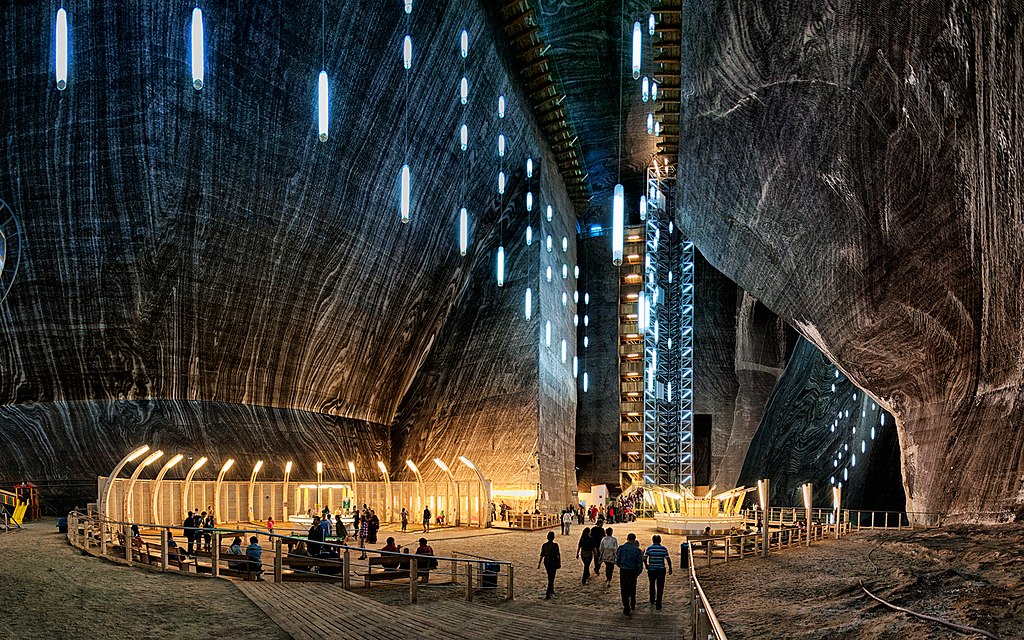 The amazing underground salt mine
Salina Turda (salt mine)
A genuinely unique underground site and the most common day trip from Cluj. Great in any weather.
Cheile Turzii (natural gorge)
A scenic hike with limestone cliffs and fresh spring greenery.
Longer trips
If you are extending your stay beyond the wedding, Romania offers excellent longer trips that pair well with a visit to Cluj.
Transylvania region
Bran Castle and Brașov (1–2 days)
Bran Castle is often associated with the Dracula legend, but it is first and foremost a real medieval fortress set in the Carpathian Mountains.
It combines well with time in Brașov, a beautifully preserved Transylvanian city with a walkable old town, cafés, and mountain views. This trip works best as an overnight stay.
Viscri (1 day)
Viscri is a traditional Saxon village known for its fortified church, white houses, and quiet rural setting. It offers a slower, more rural view of Transylvanian life and pairs well with other Saxon villages in the area.
Sighișoara (1 day)
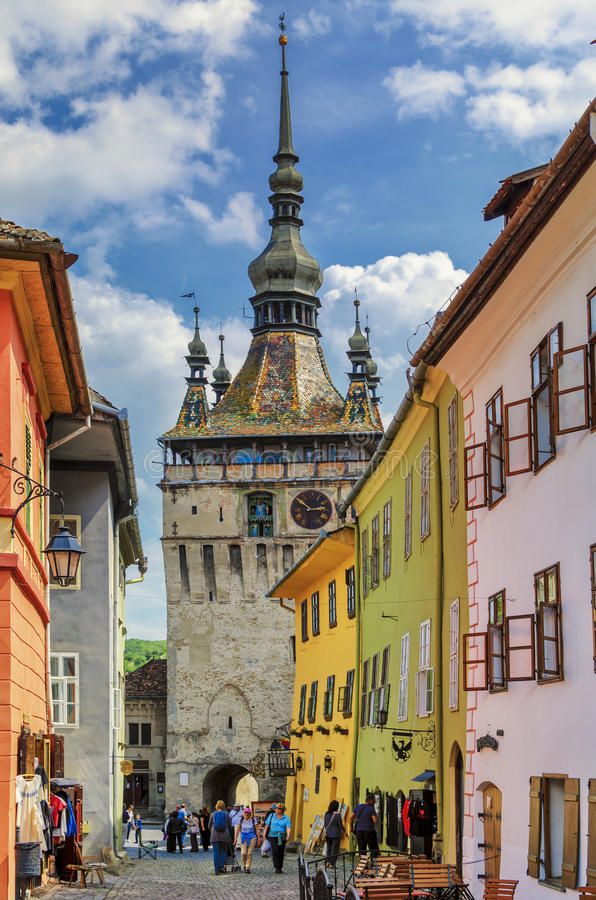
Sighișoara is one of the best-preserved medieval towns in Europe and a UNESCO World Heritage site. Its walled citadel features cobblestone streets, colorful houses, and the iconic Clock Tower.
The town is also known as the birthplace of Vlad the Impaler (the historical inspiration for Dracula). Sighișoara is compact and can be explored in a day, making it an excellent stop between Cluj and Brașov.
Sibiu (1–2 days)
Sibiu is one of the most popular destinations in Transylvania, known for its medieval old town, cobblestone streets, and mountain backdrop.
It is compact, elegant, and very easy to explore on foot. Many visitors combine Sibiu with Brașov for a longer Transylvania itinerary.
Maramureș (2–3 days)
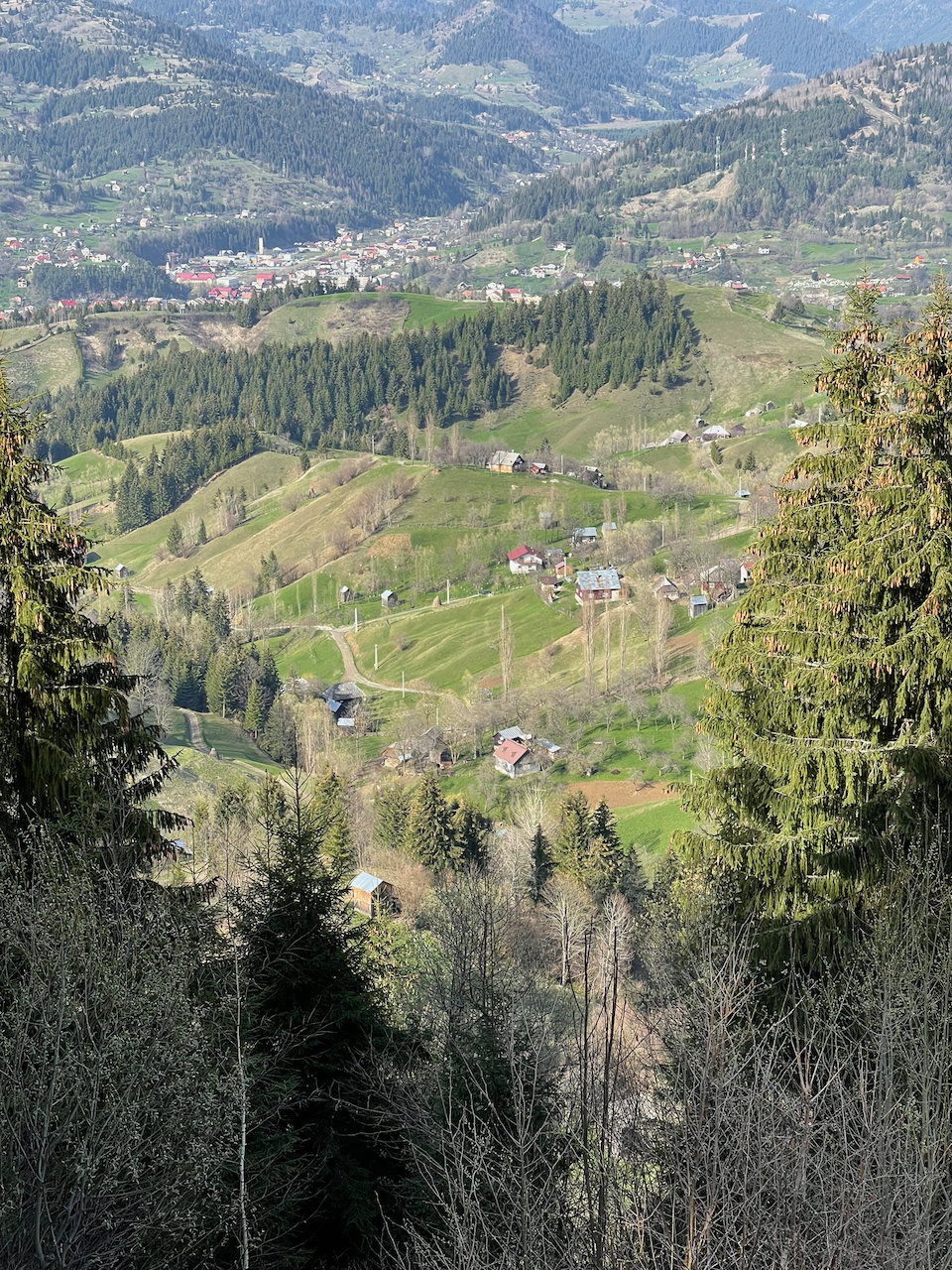
Maramureș is a historic region in northern Romania, known for its traditional wooden villages, stunning mountain landscapes, and well-preserved rural culture. This area offers an authentic glimpse into traditional Romanian life.
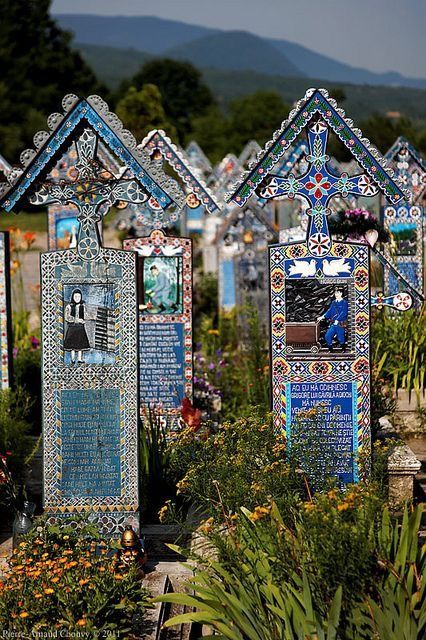
A highlight is the Merry Cemetery (Cimitirul Vesel) in Săpânța, famous for its colorful hand-carved tombstones featuring naive art paintings and witty epitaphs that celebrate the lives of the deceased. Each cross tells a story with humor and folk art, making it a unique and surprisingly uplifting memorial site.
Maramureș is best visited with a car and works well as a multi-day trip from Cluj.
Traveling Further by Car
If you’re planning to explore Romania by car, especially in rural or mountainous areas, there are some important things to know.
Bears in Romania
Romania has one of the largest brown bear populations in Europe, particularly in the Carpathian Mountains. While bear encounters are relatively rare, they do happen, especially on mountain roads.
CRITICAL: Never feed bears under any circumstances.
Practical Tips for International Guests
- Currency: Romanian Leu (RON). Cards are widely accepted, but cash is still commonly used, especially for tips. Just withdraw money from an ATM in Romania as needed instead of traveling with loads of cash.
- Getting around: The center is walkable; ride-hailing is convenient for longer trips or late-night returns.
- Tipping: Common in restaurants (often ~10% if service isn’t included).
- Language: Romanian is the default; English is widely used in restaurants, hotels, and tourist-facing venues. Romanians are polyglots and love to try and speak other European languages, so don’t be shy about attempting communication in French, Spanish, Italian, or other languages you know!
- Smoking: Smoking is still very common in Romania. Smoking indoors is prohibited, however some electronic cigarettes (not vapes) are tolerated indoors.
- Drinking culture: There is a big drinking culture in Romania as in much of Eastern Europe, however public drinking is strictly prohibited.